What to know about funeral flowers disposal rules in Holland Park
Posted on 20/10/2026
If you are sorting funeral flowers in Holland Park, disposal can feel oddly complicated at a time when everything else already feels heavy. Do you take the flowers home? Leave them at the venue? Compost them? And what about ribbons, cards, florist packaging, or tributes that need to be handled with care?
This guide explains what to know about funeral flowers disposal rules in Holland Park in clear, practical terms. It is written for people arranging a funeral, attending one, or helping family members make respectful decisions after the service. You will find the etiquette, the usual local expectations, the sensible options for disposal or reuse, and the mistakes that are easy to make when emotions are running high. Truth be told, most people do not need a legal lecture. They need calm, workable guidance. That is what follows.
- Why the rules matter
- How disposal usually works
- Benefits of handling flowers properly
- Who this is for
- Step-by-step guidance
- Expert tips
- Mistakes to avoid
- Tools and resources
- Law, compliance, and best practice
- Options and comparison table
- Real-world example
- Practical checklist
- Conclusion
- Frequently asked questions
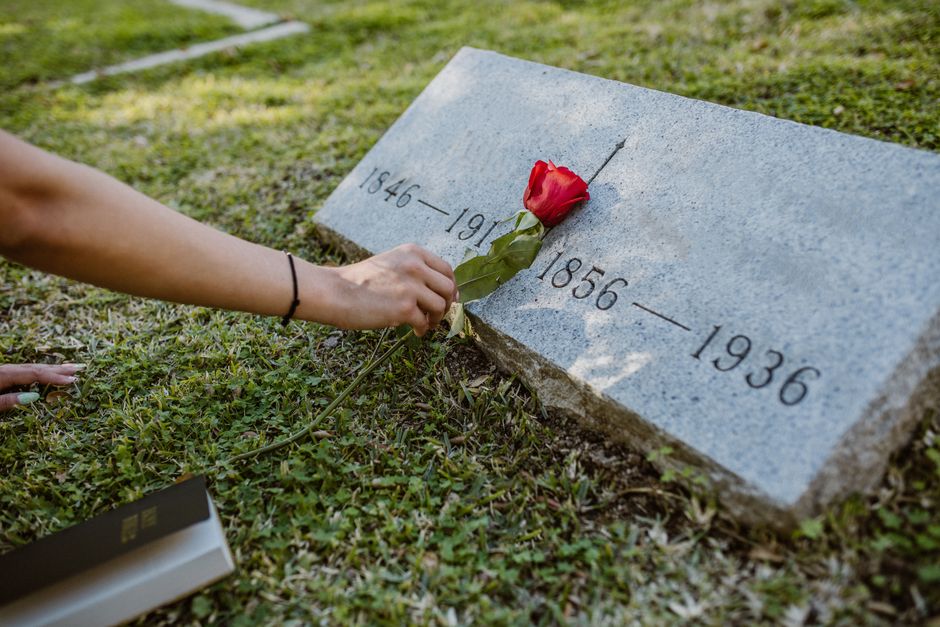
Why What to know about funeral flowers disposal rules in Holland Park Matters
Funeral flowers are not just decorations. They are part of the farewell. They carry messages of love, respect, sympathy, faith, and memory. So when the service ends, the question of what happens next can matter more than people expect.
In Holland Park, as in much of London, there is usually a blend of practical venue rules, family preference, and plain old good manners. Some flowers can be taken home. Some are left with the funeral director or the cemetery/crematorium team. Others may be offered to guests. And some, especially large sprays or wreaths, need to be dismantled before they can be disposed of responsibly.
Why does this matter so much? Because mishandling funeral flowers can cause confusion, waste, hurt feelings, or unnecessary delays. A wreath left in the wrong place can become an issue for venue staff. Floral foam and plastic packaging can create waste that should not simply be tossed into general rubbish if there is a better route. And on a more human level, some families simply want things done with dignity. That is fair enough.
There is also a sustainability angle. A lot of people in London are more conscious now about what gets binned and what can be composted, reused, or gifted. If the arrangements were chosen carefully, it feels right to give the aftercare the same attention. Not overcomplicated. Just thoughtful.
Expert summary: The main rule is simple: treat funeral flowers as a temporary part of the service, then follow the venue's instructions, the family's wishes, and any collection or disposal arrangement agreed in advance. When in doubt, ask before removing anything.
How What to know about funeral flowers disposal rules in Holland Park Works
The disposal process is usually less about a single formal rule and more about a series of practical decisions. In real life, it normally works in this order:
- The service finishes. Flowers are left in place while mourners pay respects, or they may be moved with permission.
- The family decides what should happen. Some arrangements are for display only; others are intended to go home or to another location.
- Items are sorted. Tribute cards, ribbons, florist containers, foam, wire, and foliage may all need different handling.
- Flowers are reused, gifted, or disposed of. This depends on condition, type, sentiment, and venue rules.
- Any leftovers are removed respectfully. Staff, family members, or the florist may handle this, depending on who is responsible.
In practice, funeral flowers often fall into a few categories:
- Take-home flowers such as hand-tied bouquets or posies
- Tributes like wreaths, hearts, letters, and sprays
- Venue display pieces that stay in place for the service only
- Shared or donated flowers that are offered to family, guests, or a community setting
Some families also choose a florist-designed tribute from a specialist range such as funeral flowers or a simpler sympathy arrangement from sympathy flowers. The arrangement chosen often affects the aftercare. A large spray needs more careful handling than a small vase arrangement, no question.
One thing many people miss: funeral flowers are not all disposed of the same way. For example, the flowers themselves might be compostable, but the mechanics inside may not be. Ribbon, cellophane, wire, pins, and floral foam can create separate waste streams. It sounds a bit fussy, but it saves hassle later.
Key Benefits and Practical Advantages
Getting disposal right is not just about being tidy. There are genuine benefits to handling funeral flowers with care and clarity.
- Respect for the deceased and the family. Flowers remain part of the farewell rather than becoming an afterthought.
- Less stress on the day. When the plan is clear, nobody has to improvise outside the venue while holding a damp wreath in the rain.
- Better organisation for the venue. Staff can clear arrangements efficiently if they know what stays and what goes.
- Reduced waste. Reuse, donation, and composting can all be considered where appropriate.
- Cleaner compliance with local rules. Venues and crematoriums often have their own practical requirements, even if they are not written as formal "flower laws".
- More emotional comfort. Families often feel better when floral tributes are handled gently and purposefully.
There is also a small but real advantage in being prepared for the practical bits: cards, name cards, printed messages, and keepsakes can be separated before the main tribute is moved. That saves those slightly awkward moments where someone suddenly realises a message card has gone with the whole arrangement. Happens more than you would think.
Who This Is For and When It Makes Sense
This topic matters to a few different groups, and the answer is not the same for each one.
If you are arranging a funeral, you may need to decide in advance whether floral tributes should be collected, donated, left at the venue, or sent home with family. That decision can affect the wording you give to the florist and the funeral director.
If you are a guest, you may wonder whether it is appropriate to take flowers home after the service. Often it is, but only if the family says so or the flowers are clearly offered for that purpose.
If you are a florist, you need to understand practical handling, packaging, and service expectations so you can deliver tributes in a way that fits the occasion and the venue.
If you are helping an older relative or a bereaved friend, you may simply want to make sure nothing is wasted and no one feels overlooked. That kind of support matters. Quietly, it matters a lot.
This also makes sense if the funeral is small and personal. In a close family service, there may be less formal direction and more room for gentle decision-making. In a larger service, there will usually be more logistics: who takes the flowers, where they go, and who clears what at the end.
Step-by-Step Guidance
Here is a straightforward way to handle funeral flower disposal in Holland Park without overthinking it.
- Check the venue or funeral director's guidance first. Some places have clear collection and removal arrangements. Others leave it to the family. Either way, ask early.
- Decide what should be kept. If certain flowers or tributes have sentimental value, put them to one side. Small cards, ribbons, and personal messages are easy to lose in the shuffle.
- Separate reusable items from waste. Glass vases, baskets, ribbon, plastic wrap, foam, and wire may need different handling.
- Choose a disposal route. Compost where suitable, place recyclable packaging in the correct stream if your venue allows it, or arrange collection with the florist.
- Offer flowers to family or guests if appropriate. This is common when the family wants people to take a small bouquet home. It can be a lovely gesture, actually.
- Remove tributes gently and in order. If there are wreaths, casket sprays, or letter tributes, handle them carefully so stems are not crushed and messages stay attached if they are to be kept.
- Dispose of remaining materials responsibly. Do not assume everything goes in one bin. Mixed materials often need sorting first.
If you are using a florist for the arrangement, it helps to ask whether they can advise on aftercare. For example, some families choose a traditional tribute from the tributes selection or a more specific design such as wreaths, and then want to know how long each item will last, whether it can be moved, and what can be reused. That conversation before the day saves a lot of guesswork.
Small detail, but important: if flowers are going back to a home or care setting, make sure someone is actually expecting them. It sounds obvious. On the day, with taxis waiting and people emotional, obvious things can get missed.
Expert Tips for Better Results
Over time, the best funeral flower aftercare tends to follow the same quiet principles.
- Ask about the venue policy before the service. Some crematoriums and chapels prefer all tributes to be removed by a certain time.
- Keep the message cards separate. If a tribute is being shared among family, the cards should travel with it.
- Think in layers. Keep flowers, paper, ribbon, foam, and containers separate if possible. It makes disposal simpler and more responsible.
- Use a florist who understands funeral work. A specialist can advise on durability, presentation, and aftercare.
- Plan for weather. London drizzle and fresh blooms do not always get on. A little timing care helps prevent soggy packaging and tired-looking petals.
- Be realistic about what can be reused. Not every tribute is suitable to move or repurpose, especially if it has been outdoors for hours.
A practical example: a family may choose a large heart tribute for the service, but then decide the central flowers should be taken home while the foam base and packaging are disposed of separately. That kind of split approach is often the best balance between sentiment and practicality.
And one more thing. If you are unsure, do not wing it. Funeral arrangements are not the place for confident improvisation. Better to ask a simple question than make a messy assumption. Nobody minds a thoughtful pause.
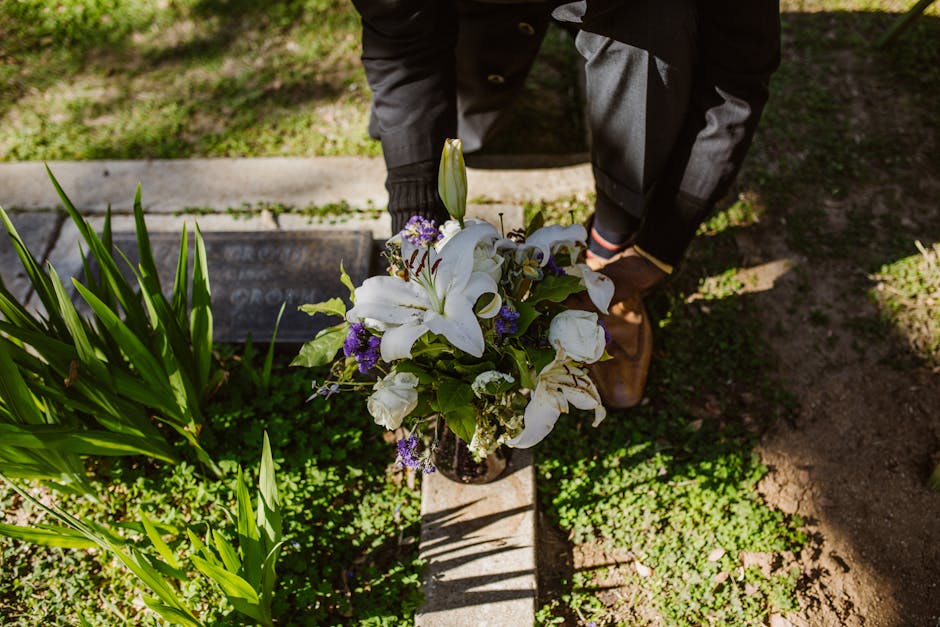
Common Mistakes to Avoid
A lot of the trouble around funeral flower disposal comes from small misunderstandings. Here are the most common ones.
- Assuming all flowers can be left behind. Sometimes they can, sometimes they cannot. Venue guidance matters.
- Throwing mixed materials into one bin. Floral foam, plastic wrap, wire, and cards may need different disposal methods.
- Forgetting the family's preference. Some families want every tribute kept; others want only selected items.
- Leaving it too late to ask. The day of the service is the wrong moment to discover nobody knows where the wreath should go.
- Overhandling delicate tributes. Letter tributes and shaped arrangements can fall apart if lifted carelessly.
- Ignoring sentimental extras. Name cards, notes, and keepsake ribbons are easy to lose.
Another mistake is thinking the rules are identical everywhere in London. They are not. Some are venue-specific, some are based on practical waste handling, and some are just local custom. In Holland Park, the smartest approach is to check the specific venue or service location rather than rely on a broad assumption.
Tools, Resources and Recommendations
You do not need specialist equipment to handle funeral flower disposal properly, but a few simple things help a lot.
- Scissors or secateurs for separating stems, ribbon, and packaging
- Protective bags or boxes for taking tribute cards and keepsakes home
- Recycling and waste bags to separate packaging from organic material
- A clean vase or container if flowers are being moved for display at home
- A written note of who takes what so nothing gets duplicated or lost
If you are ordering funeral arrangements in advance, it can also help to look at the broader flower and tribute options so the design suits the intended aftercare. For example, some families prefer a traditional spray, while others prefer a smaller basket or posy that is easier to transport. You can browse practical options such as sprays, baskets and posies, or a softer sympathy style from sympathy arrangements.
For families trying to balance care and cost, it may also help to compare the scale of the tribute before ordering. A modest arrangement often creates less waste and is easier to redistribute after the service. That is not to say smaller is better in every case. Just that simple can be beautiful, and practical too.
Law, Compliance, Standards, or Best Practice
There is not usually a single public-facing rulebook called "funeral flowers disposal rules" for Holland Park. In reality, what you are dealing with is a mix of venue policies, waste handling best practice, and respectful funeral etiquette. That distinction matters.
Best practice in this context usually means:
- following the instructions of the funeral director, chapel, crematorium, church, or cemetery
- separating organic material from non-organic packaging where possible
- avoiding unnecessary waste
- treating floral tributes as part of the service, not disposable clutter
- making sure anyone handling the flowers has permission to do so
If flowers are being disposed of through normal household or commercial waste, the venue or family should follow the local waste arrangements that apply to that setting. If they are being composted, donated, or reused, the receiving organisation should be willing and prepared to accept them. Simple rule: do not drop off flowers somewhere unless it is clearly wanted.
From a standards point of view, the safest approach is to keep records of any special requests. For example, if a family asks for all white tributes to be collected separately, or if certain flowers are to be taken to a specific address afterwards, note it clearly. Written instructions reduce upset. A lot.
For florists and funeral organisers, good practice also includes clear communication about sustainability. If a client prefers fewer plastics, compostable wrapping, or simplified arrangements, that should be discussed before the order is finalised. The more honest the conversation, the better the outcome.
Options, Methods, or Comparison Table
There is more than one sensible way to handle funeral flowers after a service. The right choice depends on the tribute type, the family's wishes, and the venue.
| Option | Best for | Pros | Things to watch |
|---|---|---|---|
| Take flowers home | Smaller bouquets, personal keepsakes, family remembrance | Meaningful, simple, avoids waste | Needs transport and a recipient ready to receive them |
| Leave with the venue or funeral director | Large services, quick clearance, venue-managed disposal | Efficient, practical, less for the family to organise | Check whether they keep, remove, or dispose of the flowers |
| Donate or gift | Unused flowers in good condition | Kind, can brighten a home or care setting | Only do this with permission and a clear recipient |
| Compost or green-waste disposal | Organic stems and foliage without mixed waste | Environmentally thoughtful | Remove ribbon, wire, foam, and plastic first if possible |
| Keep selected elements | Name cards, ribbons, favourite blooms | Preserves memory and sentiment | Needs a person to sort and store items carefully |
If you want an arrangement that is easier to handle later, consider asking for a style that suits the end use as well as the service. A hand-tied design or a basket arrangement may be easier to move than a highly structured tribute. That said, some tributes are meant to be bold and symbolic. Fair enough. The point is to choose deliberately, not by accident.
Case Study or Real-World Example
Here is a straightforward example from a typical Holland Park funeral service scenario.
A family arranges a small chapel service and chooses a main tribute, a few sympathy sprays, and several hand-tied bouquets from close friends. Before the day, they tell the florist that the bouquets should be easy to take home, while the larger tribute will stay for the service and then be split between two relatives afterwards. They also ask the venue whether tribute cards can be placed in one envelope at the end.
On the day, after the service ends, the funeral director points out which items can be collected immediately and which ones should remain until staff have finished their part. The smaller bouquets go with family members. One of the sprays is taken to a care home that the deceased supported. The larger tribute is carefully separated, with the cards kept together. Any packaging is bagged separately.
Nothing dramatic. No fuss. Just a calm plan that respected both the flowers and the people connected to them.
What made that work? Three things: clear instructions beforehand, a realistic plan for transport, and a willingness to ask rather than assume. Simple, yes. But in grief, simple is often the kindest option.
Practical Checklist
Use this checklist if you are responsible for funeral flowers in Holland Park.
- Confirm the venue or funeral director's flower removal guidance
- Check whether the family wants flowers taken home, donated, or cleared away
- Separate tribute cards and personal notes before anything is moved
- Identify which parts are organic and which are packaging or support materials
- Arrange transport for flowers that will be reused or kept
- Ask the florist whether the arrangement has any special handling needs
- Dispose of foam, wire, ribbon, and plastic according to the correct waste route
- Keep sentimental keepsakes safe and labelled
- Leave the venue tidy if you are the person responsible for collection
- Double-check nothing meaningful has been left behind
If you want a less stressful starting point, browse the florist's dedicated funeral flowers in Holland Park page for arrangements that are already suited to this kind of service. A good tribute makes the day easier, not harder.
Get a free quote today and see how much you can save.
Conclusion
What to know about funeral flowers disposal rules in Holland Park comes down to a respectful mix of etiquette, practical handling, and venue-specific guidance. There usually is not one dramatic rule hidden somewhere. Instead, there are thoughtful choices: what should be kept, who should take it, what can be reused, and what needs to be disposed of properly.
If you remember only one thing, let it be this: ask early, separate materials carefully, and keep the family's wishes at the centre of the decision. That approach prevents confusion and protects the dignity of the moment. And honestly, that is what matters most.
When handled well, even the final stage of funeral flowers can feel calm, considered, and quietly meaningful. A small thing, maybe. But sometimes small things carry the most care.
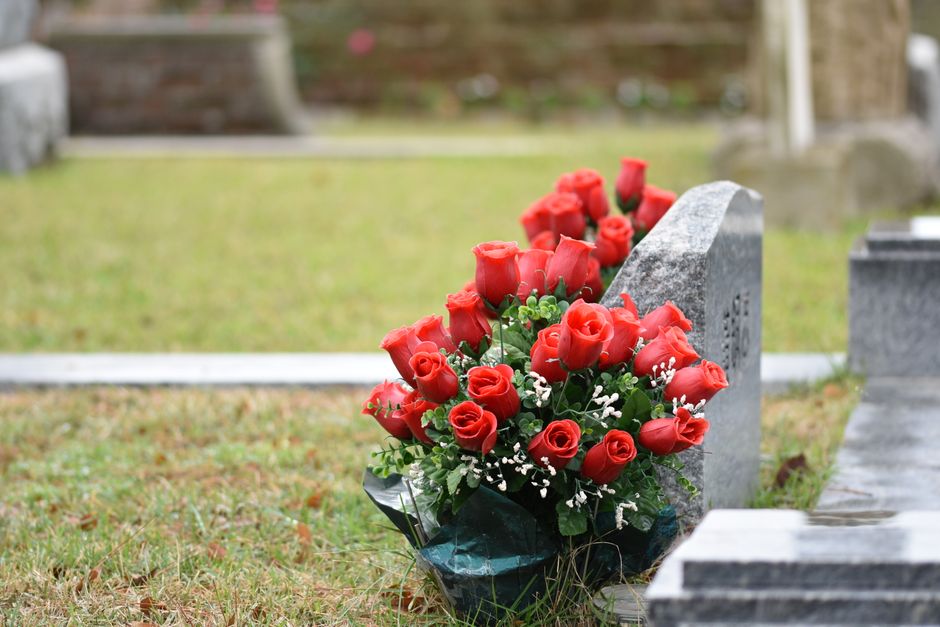
Frequently Asked Questions
Can I take funeral flowers home after the service in Holland Park?
Usually yes, if the family has said it is okay or the flowers have been clearly offered for collection. Always check first, because some tributes are intended to stay in place until the venue has finished its arrangements.
Who is responsible for funeral flower disposal?
It depends on the service plan. Sometimes the family handles it, sometimes the funeral director, and sometimes the venue has staff who remove tributes. The safest approach is to clarify responsibility before the day.
Can funeral flowers be composted?
Often they can, provided you remove non-organic items first. Ribbon, plastic wrapping, wire, and floral foam may not be suitable for composting, so separate those where possible.
What happens to wreaths and large tributes after the funeral?
They may be taken home, divided between family members, left with the venue, or disposed of through a suitable waste route. Large tributes usually need more careful handling because they often include mixed materials.
Are there specific London rules for funeral flowers disposal?
There is usually no single city-wide flower disposal rule that covers every funeral. In practice, venue policies, waste handling practices, and family wishes guide what happens. Always ask the specific location.
Can flowers be donated to a hospital or care home after a funeral?
Sometimes, yes, if the organisation is happy to receive them and the flowers are in good condition. Never assume they will be accepted. Always confirm before you deliver anything.
What should I do with funeral cards and messages?
Keep them separate from the flowers if the family wants to preserve them. Many people put the cards into a folder or box so names and messages are not lost during clearance.
Is it rude to ask what will happen to the flowers?
No, not at all. It is a sensible question. Asking early helps avoid waste and makes sure the tribute is handled in the way the family intended.
Do florists in Holland Park usually help with funeral flower aftercare?
Many do, especially if they specialise in funeral work. They can often advise on transport, durability, and the kinds of arrangements that are easiest to manage after the service.
What flowers are easiest to dispose of or reuse?
Simple bouquets, posies, and basket arrangements are often easier to repurpose or take home than highly structured tributes. That said, the best choice depends on the purpose of the arrangement and the family's wishes.
Can I reuse flowers from a funeral arrangement at home?
Yes, if the flowers are still in good condition and the family agrees. You may want to trim the stems, remove any hidden wiring, and place them in clean water as soon as possible.
Should I choose funeral flowers with disposal in mind?
That can be a wise idea. If you know the flowers will need to be moved, reused, or cleared quickly, mention that when ordering. A good florist can suggest a style that fits both the tribute and the aftercare.


