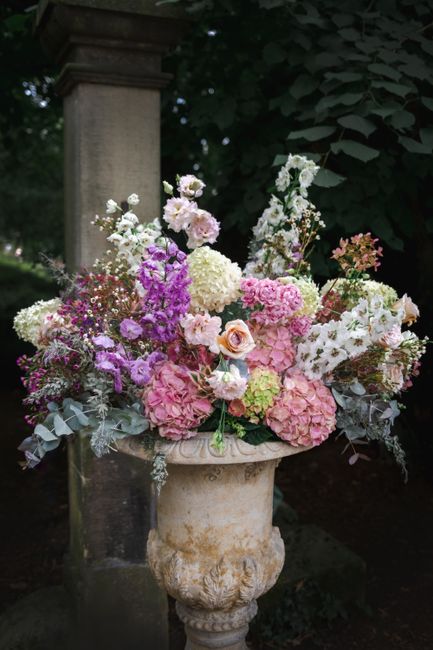
Hidden costs and extra charges for Holland Park wedding flowers
Posted on 04/10/2026
Planning wedding flowers in Holland Park should feel exciting, not like a slow leak in your budget. Yet the truth is that many couples only see the headline price at first. The real bill can grow once you add delivery, setup, late changes, venue restrictions, extra stems, and the small bits that nobody mentions in the first call. This guide breaks down the hidden costs and extra charges for Holland Park wedding flowers so you can plan properly, ask better questions, and avoid those awkward surprises that arrive when you are already deep into planning. And yes, they do pop up more often than people expect.
Whether you are ordering a bridal bouquet, ceremony arch, table arrangements, or a full wedding flower package, understanding the full cost structure matters. It helps you compare quotes fairly, decide where to spend and where to save, and keep the flowers looking beautiful without the budget wobble.
Why hidden costs and extra charges for Holland Park wedding flowers matters
Flowers are one of those wedding details that look simple from the outside and get complicated fast once you start coordinating them. A bouquet seems straightforward. A few centrepieces sound manageable. But wedding flowers often involve more than the blooms themselves. In Holland Park, where venues can be elegant, access can be tight, and timings can be a little unforgiving, the small extras add up quickly.
Why does that matter? Because couples usually build their expectations around the flower design, not the delivery mechanics. If the quote does not clearly explain what is included, you may assume setup, packaging, travel time, and last-minute tweaks are part of the deal when they are not. That is where budgets get strained. Not in one dramatic jump, just a series of modest charges that, together, become real money.
There is also a practical side. Hidden costs can affect what flowers you choose. If you know a tall installation needs extra mechanics, or that a Saturday morning delivery may attract a premium, you can plan your design more intelligently. A smarter brief often gives you better results for the same spend. To be fair, that is the part many couples wish they had known earlier.
Expert summary: the cheapest flower quote is not always the best value. A transparent quote that shows delivery, setup, design time, and contingency costs is usually easier to trust, easier to compare, and less likely to balloon later.
If you are already browsing options for wedding flowers in Holland Park W8, the best move is to ask what is included before you fall in love with the first arrangement. Lovely photos are one thing. The invoice is another.
How hidden costs and extra charges for Holland Park wedding flowers works
Wedding flower pricing usually breaks into a few layers. The first layer is the visible product cost: the bouquet, buttonholes, table flowers, ceremony pieces, or any bespoke arrangement. The second layer is service cost: consultation, design work, preparation, conditioning stems, assembling items, and sometimes installation. Then come the variable extras, which are where many couples get caught out.
In practical terms, the quote may shift when any of these factors apply:
- you need delivery at an early or late time slot
- the venue has limited access, stairs, or restricted parking
- the design needs extra stems, premium blooms, or more structure
- flowers must be installed, not just dropped off
- changes are made close to the date
- the order needs special packaging or protective transport
- the venue asks for strict setup or breakdown timing
Some couples think a florist simply makes the flowers and turns up. In reality, there is often an hour-by-hour chain behind the scenes. The flowers are ordered, hydrated, conditioned, stored correctly, and transported with care. If the wedding is on a warm day, or if arrangements need to survive a few hours in a car before the ceremony, that changes the labour and risk. It may also change the flower choice itself.
Holland Park weddings can also involve location-specific logistics. A venue with constrained loading access, a short setup window, or a room turn-around between ceremony and reception may require an extra pair of hands. That does not always show up in the first price you see. Sometimes it is buried in "delivery and setup". Sometimes it is added later once the venue details are confirmed. That is why it is worth reading the wording closely and asking for a full breakdown in plain English.
If you want to compare styles while thinking through those extras, pages such as bridal bouquets, bridesmaid bouquets, buttonholes, and table arrangements are useful starting points for understanding how the cost can shift by item type.
Key benefits and practical advantages
It may sound odd to talk about benefits when the subject is extra charges, but there are real upsides to understanding them early.
- Better budgeting: you can set a realistic figure instead of guessing at the total.
- Cleaner comparisons: you can compare one florist against another on a like-for-like basis.
- Fewer surprises: fewer awkward add-ons once the wedding is close.
- Better design decisions: you can trim expensive elements without losing impact.
- Less stress: no one wants to be sorting out a delivery surcharge while seating plans are still being finalised.
There is also a creative advantage. Once you understand where costs rise, you can spend where guests will actually notice. For example, a beautiful bridal bouquet and a few impactful statement arrangements can be more memorable than spreading the budget thinly across many smaller pieces. That is not a hard rule, just a practical way to think about value.
Another quiet benefit: transparency helps you trust the florist. If the pricing structure is clear and the explanations are easy to follow, the relationship starts off on the right foot. And for a wedding, that counts. You want calm, not confusion.
Who this is for and when it makes sense
This topic matters to anyone planning a wedding in or around Holland Park, but it is especially useful if your event involves multiple floral elements or a venue with logistics that are not exactly delivery-friendly. If you are only ordering one bouquet, the risk is lower. If you are planning ceremony styling, reception flowers, and personal flowers for a larger group, the hidden extras become much more likely.
It makes particular sense for:
- couples working with a fixed wedding budget
- people comparing several florists and trying to understand quote differences
- venue weddings with a strict schedule
- civil ceremonies, receptions, or multi-location days
- brides and grooms who want luxury styling without overspending
- anyone who has already had one quote and thought, "Hang on, what is this extra line for?"
It is also useful if you are planning a surprise or a short-notice wedding. Short timelines often increase the chance of rushed sourcing, urgent deliveries, or limited product availability. That does not automatically mean huge cost increases, but it can reduce flexibility. Truth be told, the calendar matters almost as much as the flowers themselves.
If your priority is value, you may also want to look at budget-friendly flower options and decide where the money goes best. Sometimes the smart answer is not fewer flowers, but fewer complicated flowers.
Step-by-step guidance
Here is a practical way to handle hidden costs without turning the process into a spreadsheet nightmare.
1. Build a list of everything you actually need
Start with the obvious items: bridal bouquet, bridesmaid bouquets, buttonholes, table arrangements, ceremony flowers, and any entrance or backdrop pieces. Then note whether each item needs delivery, setup, collection, or on-site styling. It sounds basic, but it stops that classic problem where the quote is built around half the wedding.
2. Ask for a full breakdown, not just a total
Ask for design cost, flower cost, labour, delivery, installation, and any likely contingency charges. If a florist can only give a single figure with no explanation, that is a signal to slow down. A good breakdown is easier to compare and much easier to adjust.
3. Check venue access early
Venue access can change the cost more than people expect. Ask about parking, loading, lift access, stairs, and time restrictions. A florist may need extra time to carry arrangements through the building or to work around another supplier on site.
4. Confirm the date, time, and setup window
Saturday mornings, peak wedding season, and tight turnaround times can all affect pricing. If the flowers need to arrive very early, stay fresh for hours, or be reset between ceremony and reception, those are not tiny details. They affect staffing and logistics.
5. Decide what is optional
Some extras are nice to have but not essential. For example, a flower arch might create a wow moment, but if the budget is tight, that same money could improve bouquets and table flowers instead. This is where real value comes in. A little ruthless? Maybe. But sensible.
6. Put changes in writing
If you add stems, swap colours, change quantities, or alter delivery details, confirm the updated cost. Most of the annoying surprises come from small verbal changes that never get properly logged.
7. Keep a buffer
Even with a tidy quote, it is wise to leave a small contingency. Weddings are full of moving parts, and flowers are not immune. A tiny budget buffer can save a lot of last-minute stress.
Expert tips for better results
After years of seeing wedding flower briefs of all shapes and sizes, a few patterns become obvious.
Tip 1: Think in terms of impact, not just quantity. One striking arrangement near the aisle or top table can do more visual work than six smaller pieces scattered around a room. If the venue already has a lot going on, your flowers do not need to shout.
Tip 2: Seasonal flowers usually give you more breathing room. Out-of-season blooms can mean higher sourcing costs or substitutions. If you are set on a specific look, ask what the seasonal version would be. Often the result is just as lovely, just a little more sensible.
Tip 3: Packaging matters more than people realise. A bouquet traveling across London in summer heat needs the right wrapping, hydration, and timing. That protective approach can add cost, but it protects the end result. Nobody wants limp stems arriving with that tired, slightly defeated look.
Tip 4: Ask what happens if the venue changes the rules. Sometimes the venue updates access instructions or tightens setup times. If your florist has to come back later, or bring extra labour, that may affect the bill. Knowing the policy in advance is much better than discovering it at 8 a.m. on the wedding day.
Tip 5: Be clear about priorities. A florist can often help you trim costs if they know what matters most: the bouquet, the ceremony backdrop, or the reception tables. Vagueness usually costs more. Specificity saves money. Simple as that.
If you are shopping around, it can help to compare general quality and service style as well as price. A trusted Holland Park florist should be able to explain costs clearly, not just show pretty pictures and hope you do not ask questions. Lovely blooms are nice. Clarity is nicer.
Common mistakes to avoid
Most budget problems with wedding flowers come from a handful of familiar mistakes. The good news? They are avoidable.
- Assuming delivery is included: it often is not, especially for time-sensitive wedding work.
- Forgetting setup or collection: installation can require more labour than a standard drop-off.
- Not checking the venue rules: some places have access limits or strict bump-in times.
- Changing the design late: last-minute adjustments can create sourcing or labour costs.
- Comparing quotes only by headline number: one quote may include far more than another.
- Ignoring flower seasonality: rare blooms can change the budget fast.
- Leaving transport too late: a beautiful arrangement still needs to arrive looking beautiful.
One especially common mistake is treating "wedding flowers" as one thing. They are not. A bouquet, a buttonhole, and a reception arrangement all behave differently in terms of labour, materials, and logistics. If you miss that distinction, your budget will wander off on its own. Happens all the time.
Another small but important point: do not be afraid to ask what a term means. If a quote mentions mechanics, foam-free structure, or installation labour, ask for a plain-English explanation. A good supplier will not mind. In fact, they should welcome it.
Tools, resources and recommendations
You do not need specialist software to keep wedding flower costs under control, but a few simple tools help a lot.
- A shared budget sheet: useful for tracking flower categories, deposits, and final balances.
- A venue information sheet: note access, timings, contact names, and any restrictions.
- A mood board: collect colours, shapes, and reference images so the florist understands the look without guesswork.
- A priority list: rank the pieces you care about most before you start trimming.
- A guest count: helpful when estimating buttonholes, table numbers, and small arrangements.
It is also worth browsing flower categories to understand product types before you commit. Pages like wedding corsages, bridal bouquets, and table arrangements can help you see how different pieces vary in style and likely effort.
If you are the sort of person who likes a calm wedding morning, a clear preparation plan is worth its weight in roses. Not dramatic roses. Just the sensible sort.
Law, compliance, standards, or best practice
For wedding flowers, most of the practical guidance sits in the realm of best practice rather than strict legal requirements. Still, there are a few important areas to keep in mind.
First, clear pricing and clear terms matter. You should know what is included, when payments are due, what happens if you make changes, and whether delivery or installation costs are separate. That is simply good commercial practice and helps avoid misunderstandings.
Second, venues in London often have their own rules about deliveries, access routes, fire exits, and setup windows. These are not "floristry laws" as such, but they are real operational constraints. A florist who works in wedding settings should be used to checking them.
Third, flower handling and transport should follow sensible care standards. Fresh flowers need hydration, shade where possible, and careful packaging so they arrive in good condition. If a design includes delicate stems, the supplier should explain any limitations around temperature or timing.
Fourth, if you have specific ethical or sustainability concerns, ask about sourcing, waste reduction, and packaging choices. Some couples want reusable mechanics or lower-waste options. That is increasingly common, and it is reasonable to ask.
Finally, if a quote or contract feels vague, pause. The best practice is simple: written confirmation, clear inclusions, and no hidden assumptions. Wedding planning already brings enough variables. The flower quote should not be one of them.
Options, methods, or comparison table
The cheapest route is not always the best one, especially if it creates extra labour or risk later. Here is a practical comparison of common approaches.
| Approach | Best for | Possible hidden costs | What to watch for |
|---|---|---|---|
| Simple bouquet-only order | Smaller ceremonies or low-key plans | Delivery, packaging, short-notice preparation | Check whether the bouquet is collection-only or delivered |
| Curated wedding bundle | Couples wanting a coordinated look | Upgrades, substitutions, timed delivery | Ask what is standard and what is custom |
| Full venue styling | Large weddings and statement decor | Installation labour, setup team, breakdown, access issues | Confirm venue access and setup window early |
| Mixed DIY and florist support | Budget-conscious couples | Extra containers, transport, emergency replacements | Be realistic about your own time and skill |
In real life, the mixed approach can work very well. Just do not underestimate the part where flowers need to stay fresh while someone is finishing their hair and someone else is looking for ribbon. It happens. Always does.
Case study or real-world example
Imagine a couple planning a Holland Park wedding for a late afternoon ceremony and a small evening reception. They begin with a simple flower brief: one bridal bouquet, three bridesmaid bouquets, six buttonholes, two table arrangements, and a small ceremony focal piece. The first quote looks manageable.
Then the practical details arrive. The venue has a narrow delivery window. Parking is limited. The ceremony room is on an upper floor. The couple also wants pale garden-style blooms, but a few of their preferred flowers are not in easy seasonal supply. Suddenly the florist has to account for a later arrival time, extra carrying time, slightly more preparation, and possible substitutions.
None of that means the florist is inflating the price. It just means the real job is more complex than the first line on the quote suggested. Once the couple adjusted their priorities, they kept the bridal bouquet and ceremony flowers strong, reduced the number of small decorative pieces, and used a simpler table design. The finished look was still elegant, and the budget stopped wobbling.
That is the pattern worth remembering. A clear discussion early on often leads to a better result than trying to shave a quote at the last minute. You notice it in the calmness of the day as much as in the flowers themselves.
Practical checklist
Use this quick checklist before you confirm any wedding flower order.
- Have you asked for a full itemised quote?
- Do you know whether delivery is included?
- Is setup, installation, or collection charged separately?
- Have you shared full venue access details?
- Do you know the exact date, time, and setup window?
- Have you confirmed what happens if you change the order later?
- Are seasonal substitutions explained clearly?
- Have you checked whether there are extra charges for premium blooms?
- Do you understand the payment schedule and deposit terms?
- Have you left a little budget buffer for last-minute adjustments?
If you can tick most of these off, you are in a much stronger position. Honestly, that calm feeling is worth a lot on a wedding week.
Conclusion
Hidden costs and extra charges for Holland Park wedding flowers are not something to fear, but they are something to respect. Once you know where the extra spend usually appears, you can plan with your eyes open. That means fewer surprises, better comparisons, and more control over the look and feel of your flowers.
The smartest couples do not just ask "How much do the flowers cost?" They ask "What exactly is included, what might change, and what should I budget for beyond the blooms?" That one shift in thinking can save a lot of stress. And, to be fair, a lot of money too.
Get a free quote today and see how much you can save.
With the right questions and a clear brief, you can still have beautiful Holland Park wedding flowers without the unpleasant invoice surprises. That is the sweet spot, really.
Frequently Asked Questions
What are the most common hidden costs for wedding flowers?
The most common extras are delivery, setup, installation, collection, premium flower upgrades, and last-minute changes. Sometimes packaging or parking-related logistics also appear as additional charges.
Why do wedding flower quotes change so much?
Quotes change because weddings are logistical as well as creative. Venue access, timing, flower seasonality, and the level of service all affect labour and sourcing costs. Two similar-looking orders can be very different behind the scenes.
Is delivery usually included in wedding flower pricing?
Not always. Some florists include local delivery, while others charge separately, especially for timed drops or weddings that need careful coordination. Always check the wording before you assume it is covered.
Do I need to budget for setup as well as flowers?
Yes, if your flowers need to be placed on tables, attached to structures, or installed at the venue. Setup can take time, and that time may be billed separately from the flowers themselves.
Are seasonal flowers cheaper for weddings?
Often they are, because they are easier to source and usually need less special ordering. Seasonal flowers can also reduce the risk of substitutions. That said, the final price still depends on variety, quantity, and design style.
How can I compare two florist quotes properly?
Compare them item by item. Look at what is included, not just the final number. Delivery, labour, and installation are often where differences hide, so make sure you are comparing like with like.
Can I avoid extra charges by collecting the flowers myself?
Sometimes, yes, especially for smaller orders. But for wedding flowers, collection can be risky if the pieces are large, delicate, or time-sensitive. You also need to consider transport, temperature, and whether you have enough time on the day.
What should I ask a florist before booking?
Ask what the quote includes, whether there are any likely extra charges, how substitutions are handled, what happens if your timings change, and whether the venue details could affect delivery or setup. Clear answers early on are a very good sign.
Do last-minute changes always cost more?
Not always, but they often do. If the change affects sourcing, labour, or transport, the florist may need to adjust the quote. The closer you are to the wedding date, the less flexibility there tends to be.
What if my venue has difficult access?
Tell the florist as early as possible. Difficult access can mean extra carrying time, more staff, or a different delivery plan. It is much better to build that into the quote than to discover it on the morning of the wedding.
How much budget buffer should I leave for flowers?
There is no universal rule, but leaving a small contingency is sensible. Even a modest buffer can cover an upgrade, a timing change, or an unexpected logistical charge without upsetting the rest of the plan.
Can I reduce costs without making the flowers look cheap?
Absolutely. Focus spend on the items guests notice most, use seasonal blooms, simplify repeated pieces, and keep the design coherent rather than busy. A well-edited flower plan often looks more polished than an overpacked one.